The weather forecast yesterday afternoon already hinted that the night would not be calm. A strong system was moving through Washington, bringing steady rain and wind gusts predicted to reach around 40 miles per hour, especially closer to the coast and wooded areas.
By early evening, the air felt heavy and still in that familiar way that always comes before a long storm.
The sky darkened earlier than usual, and the trees outside stopped swaying playfully and began leaning with intention.
By the time night settled in, rain had become constant, not loud or dramatic, just firm and unending.
The wind followed in long waves, pressing against the house and moving through the oak trees with a deep, steady sound. It was the kind of weather you do not fear, but you respect.
A Night of Broken Sleep and Morning Light After the Storm Passed
I went to bed hoping the rain would lull me into sleep, but instead, I drifted in and out, waking whenever the wind grew stronger.
At times, branches scraped against one another, and the oak near the front of the house creaked softly, like it was adjusting its weight. Around the middle of the night, I heard a heavier crack, dull rather than sharp, followed by silence.
It did not scare me, but it stayed in my mind long enough that I remember thinking the forecast was probably right. Something had come down.
By morning, the storm had moved on, leaving behind that quiet, clean stillness that always feels like a reset.
The air was cool and smelled of wet soil and leaves, and the sky had softened into a pale gray. Everything outside looked darker, richer, as if the rain had deepened the colors overnight.
When I stepped outside with my coffee, the ground was scattered with leaves and small twigs, still damp and clinging to the walkway. I took a few steps forward, then stopped.
The Oak Branch Across the Walkway
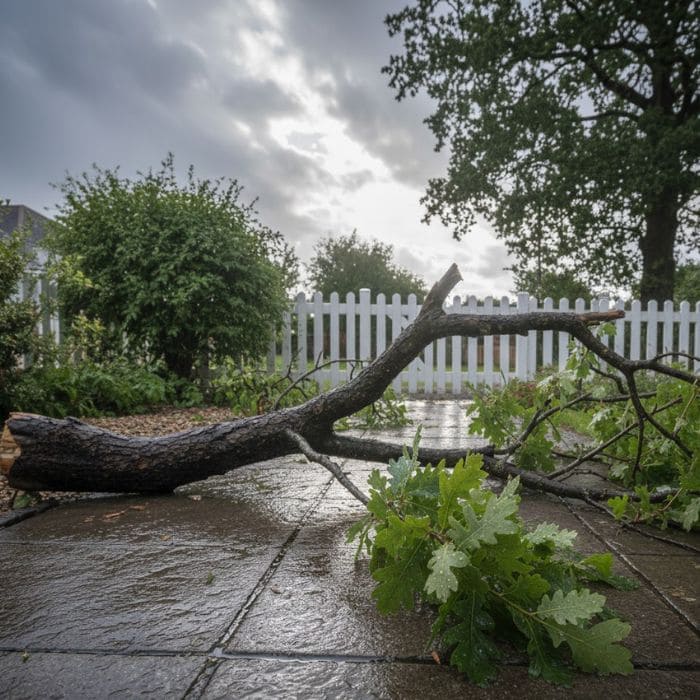
Lying across the front path was a large oak branch, freshly fallen, still carrying a few leaves that glistened with leftover rain.
It stretched almost four feet long, thick at the base and tapering naturally, with several smaller branches reaching outward at different angles. The bark was dark and textured, rough under my fingers, and cool to the touch.
I lifted one end carefully. It was heavy, solid, not broken apart, just cleanly separated from the tree. This was not debris that had shattered. It felt intentional, as if the tree had simply let it go.
Letting the Idea Arrive Without Forcing It
At first, I thought I would drag it aside and deal with it later. That is usually what you do after a storm. But as I looked more closely, my eyes followed the smaller branches.
They extended outward naturally, spaced in a way that felt almost deliberate. None were too close together, none too thin.
The idea did not come as a sudden spark. It unfolded quietly. I could imagine coats resting there, bags hanging without slipping, hats draped casually.
I carried it inside and leaned it against the wall near the entry. Even there, damp and unfinished, it already felt like it belonged.
Giving the Wood Time to Rest
I did not touch tools that day. Storm-fallen wood carries moisture deep inside, and rushing that part always leads to problems later.
I left the branch indoors for a full day, rotating it once so all sides could dry evenly.
As it dried, the bark lightened slightly, shifting from deep wet brown to a softer gray-brown. The branch felt less cold, less heavy, and the texture became more defined. It was settling, and I let it.
The next day, I placed the branch on the floor and spent time simply looking at it. I turned it slowly, studying how it rested, where the weight felt balanced, and which side wanted to face outward.
Because the branch was not straight, choosing the right orientation mattered more than measurements. I noticed that several smaller branches extended about three to five inches, thick enough to hold weight without bending.
One end of the branch felt too long for the space, so I marked a point about 36 inches from the thicker base, which felt like the right length for the wall near the entry.
Shaping Without Overworking
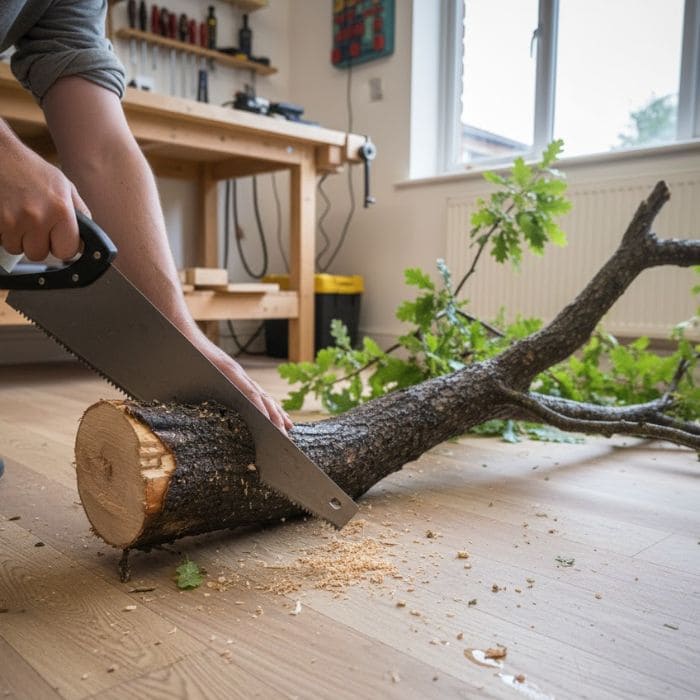
I cut the excess length carefully and trimmed away only the smallest, weakest twigs.
I did not try to make it smooth. I brushed away dirt and loose bits, then lightly sanded only the areas where hands would touch regularly, softening sharp spots without erasing texture.
This part took longer than expected, because every cut felt final. Natural materials do not give you second chances the way store-bought ones do.
Choosing Where It Would Live
I measured the wall near the entry and tested different heights by holding the branch up and stepping back.
Too low felt crowded. Too high felt impractical. I settled on a height of about 60 inches from the floor, where coats would hang comfortably without brushing the ground.
Because the branch was heavy, I knew it needed to be anchored directly into wall studs. I marked the stud locations, then matched those points to the thickest sections of the branch so the weight would distribute evenly.
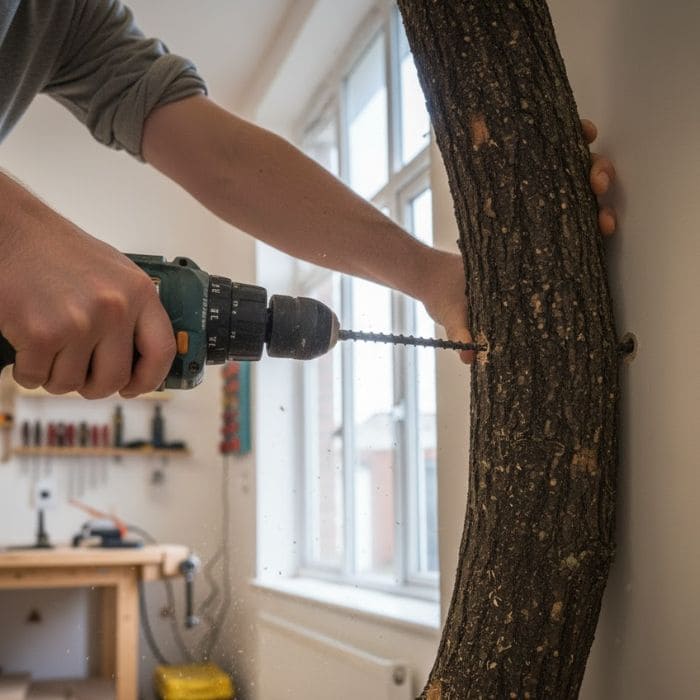
I drilled pilot holes through the branch first, choosing spots that would be hidden behind the curve of the wood. Then I held the branch in place and drove long screws through into the studs, tightening gradually instead of forcing them all at once.
This was not a one-and-done step. I stepped back, adjusted the angle slightly, tightened again, and repeated until it felt visually balanced. The branch was not perfectly level, and I let that be. It looked more natural that way.
Once secured, I tested it gently, pulling downward slightly to make sure it would hold real weight. It did not shift or creak.
The First Time It Became Useful
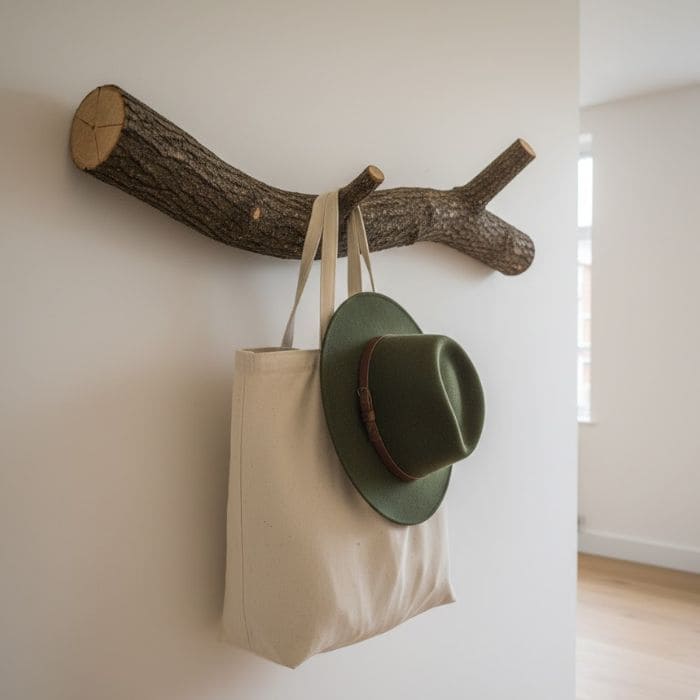
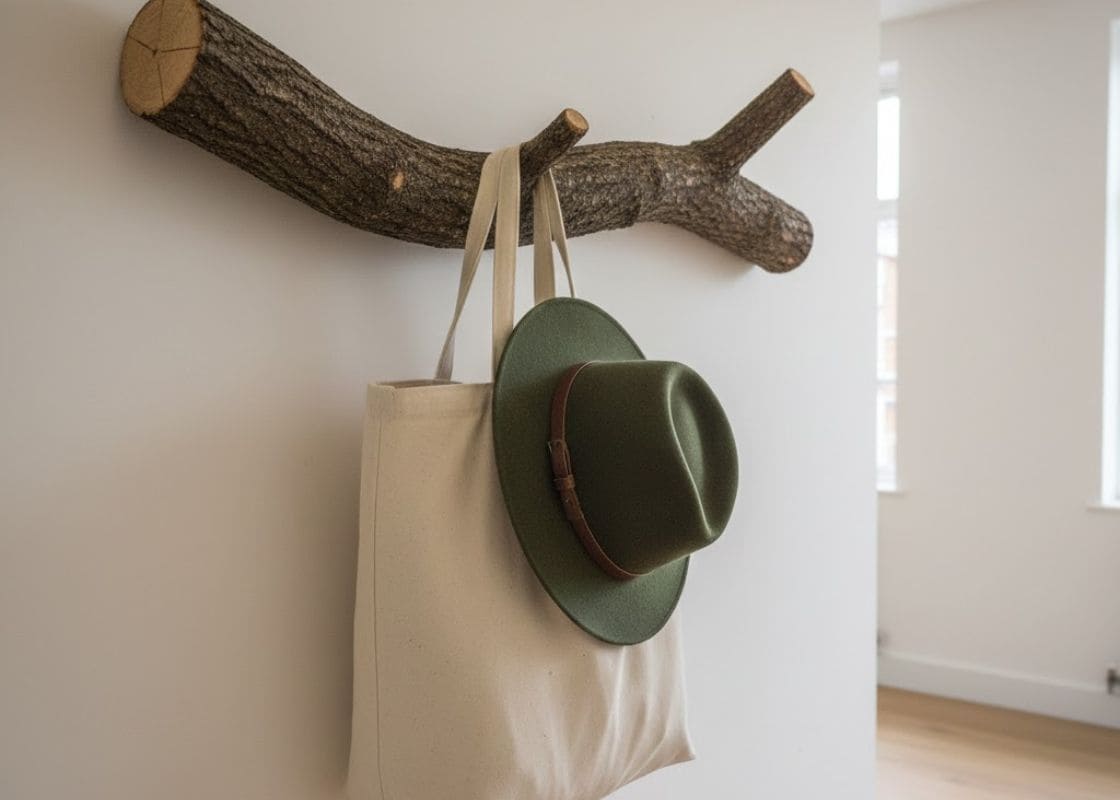
The first thing I hung was my jacket, still faintly smelling of rain. Then a canvas bag, then a hat. Each item settled naturally on its own branch.
That branch hook rack now holds everyday things, but it also holds the memory of that stormy night, the sound of wind through oak branches, and the calm morning after.