There was a moment, not long after I moved in, when I realized my frustration was not coming from lack of space or furniture, but from the small, unavoidable details I saw every single day.
The plastic switch plates that caught light in the worst way. The awkward wall vent placed just low enough to feel wrong but too important to ignore.
Plus, the fuse box in the bedroom that reminded me constantly that this space was designed for function, not comfort.
They were quiet irritations, the kind that slowly drain your enjoyment of a space because you see them when you wake up, when you walk past, and when you try to relax at night.
I remember standing in the living room one afternoon, feeling like I had already done everything I could, furniture arranged, art leaned, lighting softened, and still thinking, why does this room feel unfinished?
That was when it finally clicked that the issue was not what I had added, but what I had not learned how to hide.
Once I accepted that rentals are full of features you are not meant to love, I stopped trying to fix them and started learning how to live around them in smarter, quieter ways.
Tip 1: I Stop Fighting the Feature and Start Working Around It
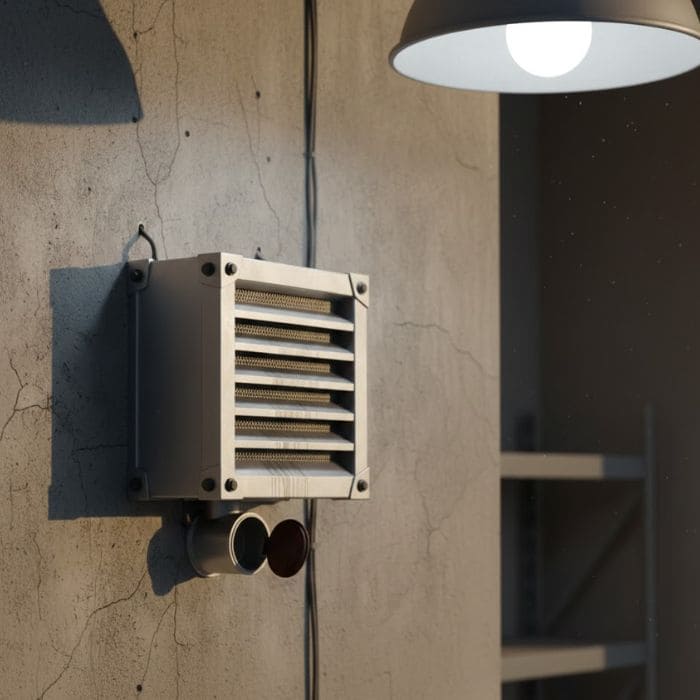
One of the biggest mistakes I made early on was focusing too much on the feature I disliked, whether it was a bulky wall vent, an old thermostat, or a plastic electrical panel placed in the worst possible spot.
The more I tried to hide it directly, the more attention it seemed to draw. What changed everything was shifting my focus to the area around it instead.
For example, when I had an outdated thermostat in the hallway that always caught my eye, I did not cover it or disguise it. Instead, I placed a narrow console table slightly forward from the wall and layered a framed print above it, leaning rather than hanging.
The thermostat was still visible and fully accessible, but the eye naturally traveled to the table and artwork first. Over time, my attention stopped landing on the thermostat at all, which was the real goal.
Tip 2: I Use Furniture Placement as My First Design Tool
Furniture does more than fill space in a rental, it can quietly solve problems if you let it. I learned to think of furniture placement as a way to redirect focus rather than just arrange seating.
Many ugly rental features sit at awkward heights, too low, too high, or slightly off-center, and furniture can soften those placements without blocking function.
In one room, a low wall vent was positioned exactly where it felt impossible to style around. Instead of pushing furniture tight against the wall, I pulled a bench forward just enough to create breathing room and layered baskets underneath.
The vent remained clear, air still flowed freely, but the visual weight shifted downward and outward, making the vent disappear into the background of the room rather than standing out.
Tip 3: I Add Texture Where Walls Feel Too Loud
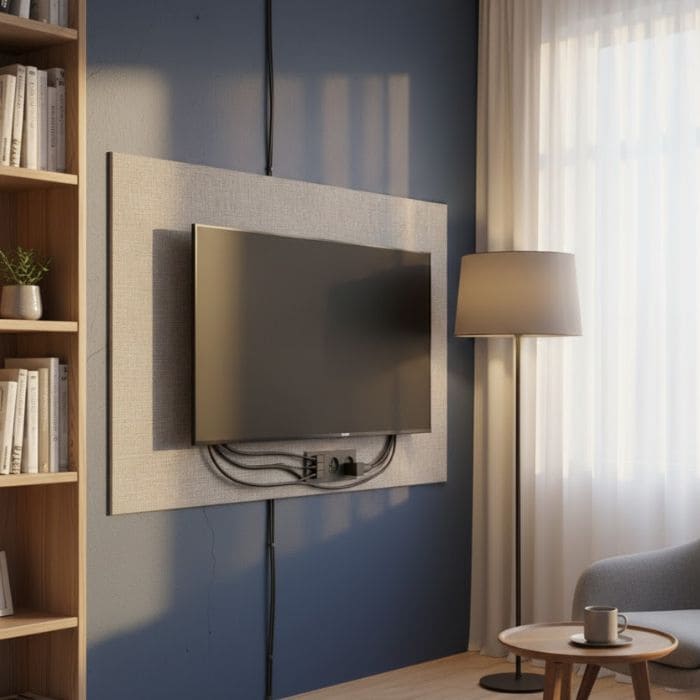
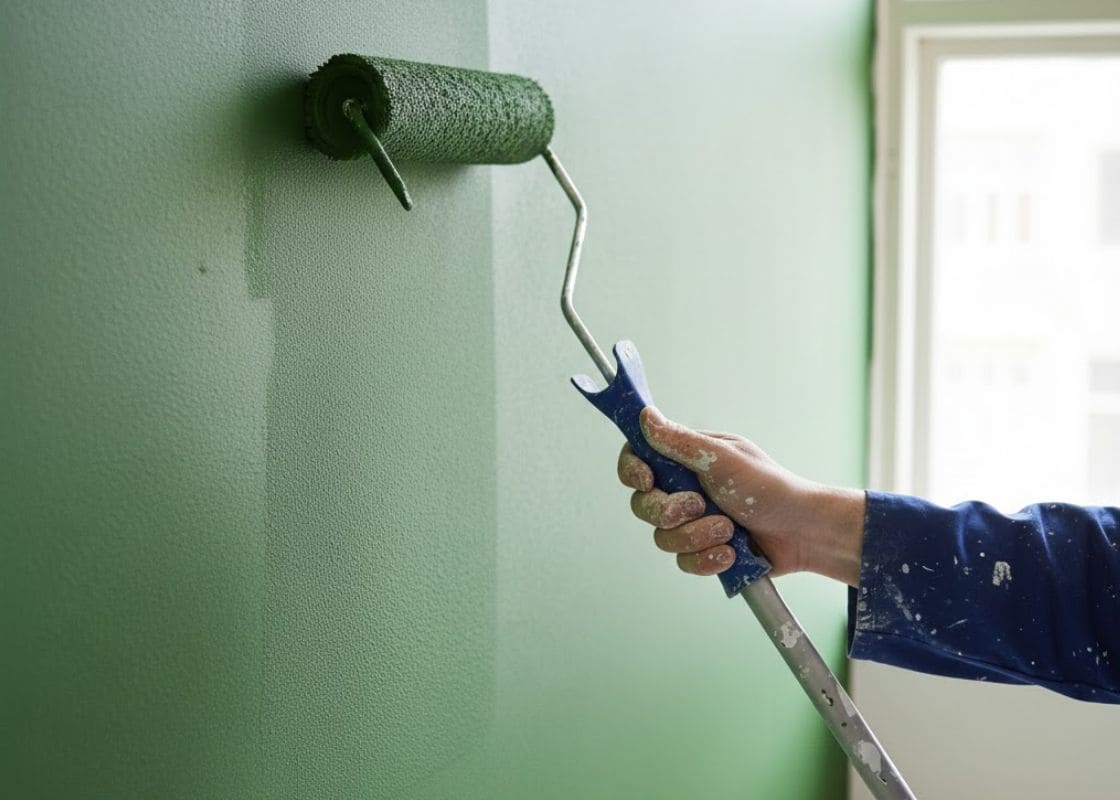
Flat walls make every flaw more visible, especially in rentals where paint has been layered repeatedly over time.
When walls feel too harsh or busy, I introduce texture instead of decoration. This is where removable solutions like subtle peel-and-stick materials or fabric-backed panels became invaluable to me.
I avoid bold patterns for this purpose and choose textures that feel natural, like linen, light plaster, or soft wood tones.
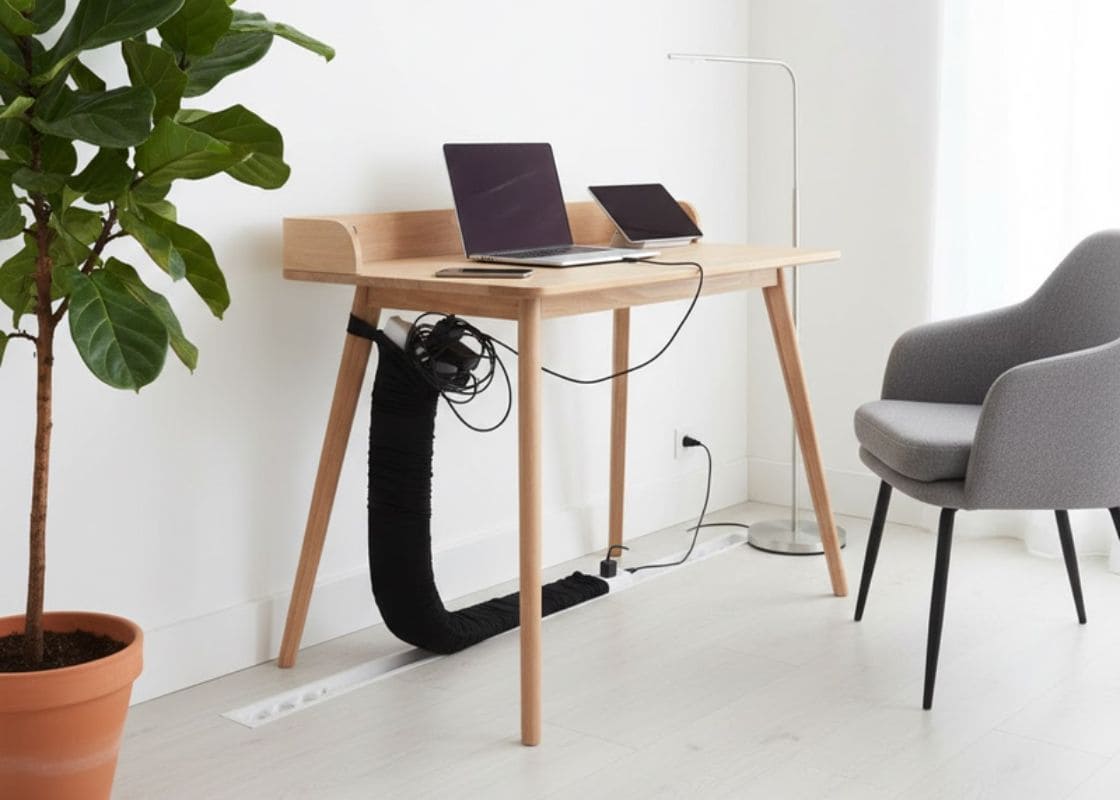
Behind my TV, for example, adding a lightly textured peel-and-stick panel helped soften the harsh placement of outlets and cords without turning the wall into a statement.
The wall felt quieter afterward, and that quietness made everything else feel more intentional.
Tip 4: I Lean Instead of Hanging Whenever Possible
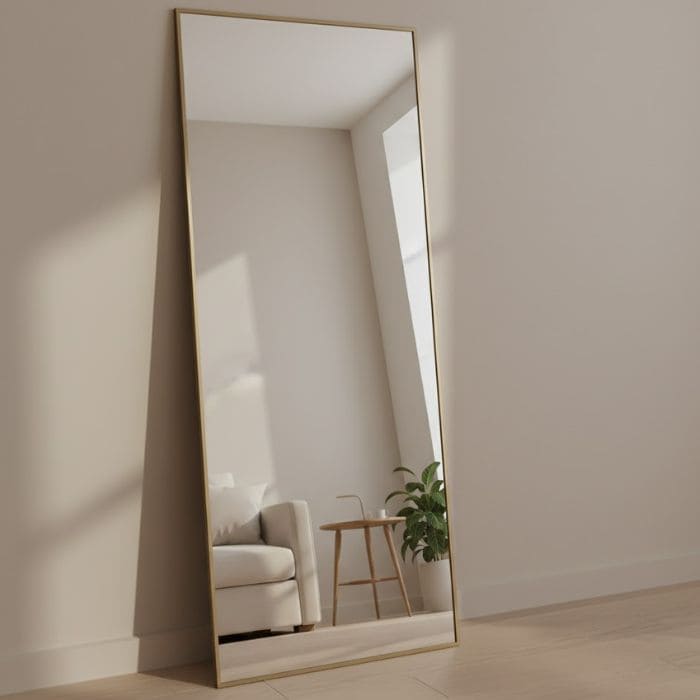
Drilling holes in a rental always feels like a commitment I am not ready to make, so I rely heavily on leaning decor.
Leaning mirrors, framed art, or even shelves allows me to cover awkward wall features without altering the wall itself. This approach also gives me flexibility, which matters when you are living in a temporary space.
A large mirror leaned against a wall helped hide an outlet that sat too low and too far from anything useful, while also reflecting light back into the room.
Because the mirror was not fixed in place, I could adjust it until the balance felt right, something that is much harder to do once holes are drilled.
Tip 5: I Use Light to Soften, Not Spotlight
Lighting became one of my most powerful tools for hiding rental flaws, especially overhead fixtures that tend to highlight every uneven surface.
Once I stopped relying on ceiling lights and started layering floor lamps and table lamps with warm bulbs, the entire mood of my home changed.
Soft, indirect light pulls attention where you want it to go and away from what you want to downplay. A lamp placed near an awkward wall section creates warmth and shadow, which naturally blurs harsh lines and plastic surfaces.
Gradually, I realized that light is often more effective than decor when it comes to hiding what you do not love.
Tip 6: I Turn Temporary Solutions Into Intentional Design Choices
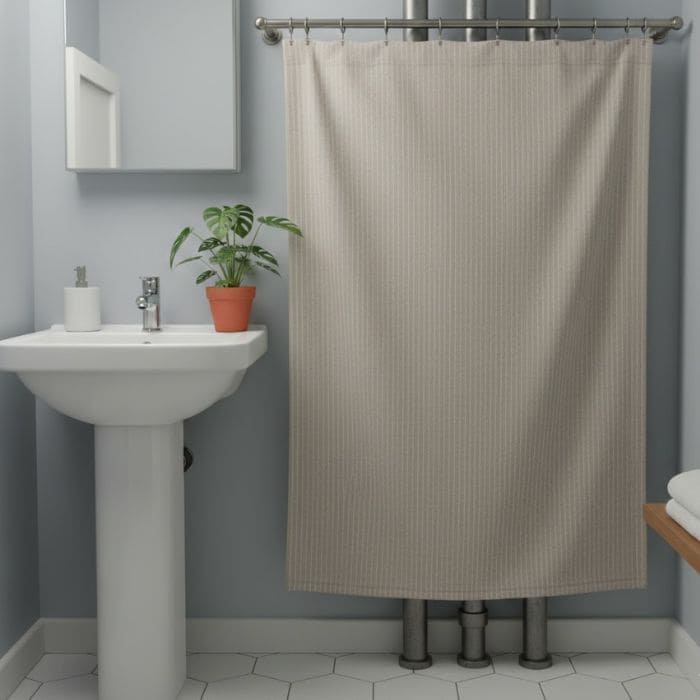
Some rental features are impossible to ignore, like exposed pipes or oddly placed utility panels.
Instead of pretending they are not there, I frame them differently. In my bathroom, exposed pipes made the space feel unfinished, but enclosing them permanently was not an option.
I used a removable fabric panel held in place with tension rods, creating a soft visual layer that could be removed instantly if needed.
The pipes remained accessible, nothing was damaged, and the bathroom felt warmer and more complete. What mattered was not hiding the pipes completely, but changing how the space felt when I walked into it.
Tip 7: I Decide What Actually Disrupts My Daily Life and Let the Rest Go
This was the most practical lesson of all, and the one that saved me the most time, money, and mental energy. Not every ugly rental feature deserves a solution. Some deserve to be ignored on purpose.
Over time, I started paying attention to when a feature bothered me, not just that it existed.
Did it interrupt how I moved through the room? Did it catch my eye when I was tired or overwhelmed? Did it affect how I used the space, or was it only noticeable when I went looking for problems?
For example, a slightly uneven baseboard annoyed me the first week I noticed it, but I never touched it, leaned near it, or interacted with it in any meaningful way.
Trying to hide it would have required effort, money, and attention, all for something that disappeared the moment I stopped focusing on it.
On the other hand, an awkward outlet placement near the sofa bothered me daily because cords were visible and pulled my eye constantly. That feature deserved a solution because it affected how the room functioned and how calm it felt.
Now, before I try to hide anything, I ask myself a few quiet questions:
- Does this feature affect how I live in the space, or just how I judge it?
- Do I notice it when I am tired, or only when I am actively decorating?
- Would hiding this improve my daily comfort, or just satisfy my perfectionism?
If the answer points toward daily disruption, I address it thoughtfully. If not, I let it fade into the background and spend my energy elsewhere.